


Uganda Denies Planned Internet Shutdown as Election Tensions Spike
- by Muhammed Abdulmalik, RNG247
- about 9 months ago
- 549 views
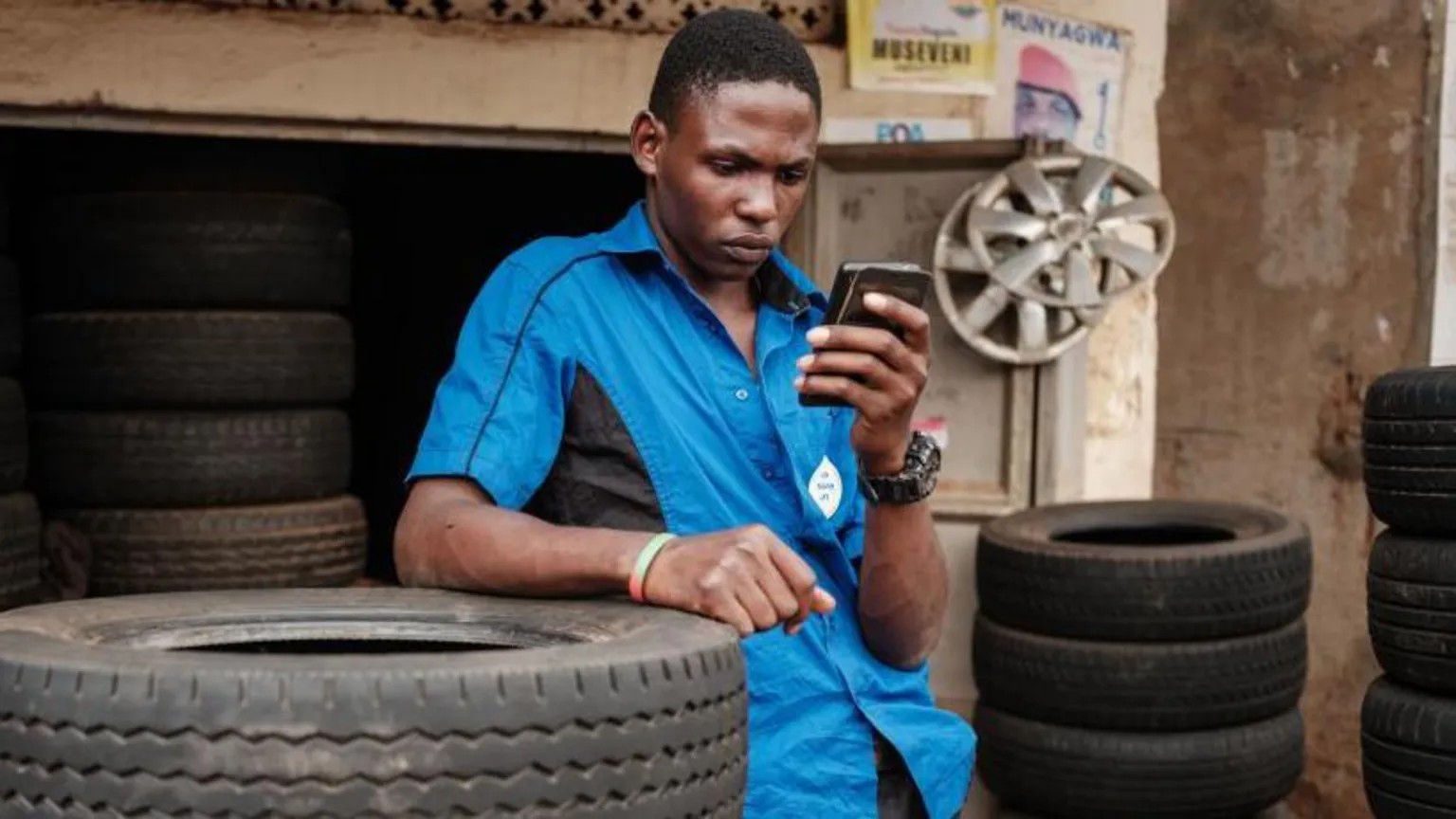
Ugandan authorities have rejected claims they intend to cut internet access during next week’s presidential election, even as moves by regulators and opposition preparations have stoked widespread concern about digital silencing and vote transparency.
The dispute intensified after Starlink, the satellite internet service, restricted its operations in Uganda on Friday following an order from the communications regulator — a development that opponents say echoes the four-day blackout during the disputed 2021 election. President Yoweri Museveni, who has ruled Uganda since 1986 and is seeking a further term in the January 15 vote, faces his most prominent challenger in years in Robert Kyagulanyi, the pop star-turned-politician known as Bobi Wine.
Government officials moved quickly to push back against rumors of an outright shutdown. Nyombi Thembo, executive director of the Uganda Communications Commission (UCC), described reports of an impending nationwide blackout as “mere rumours,” telling Kampala-based Capital FM the commission’s mandate is to ensure uninterrupted connectivity. Amina Zawedde, the senior-most official at the Ministry of Communications and National Guidance, echoed that stance, saying the government “has not announced, directed, or implemented any decision to shut down the internet during the election period” and warning that false reports risk creating panic.
At the same time, the government has issued a ban on live broadcasts of riots, “unlawful processions” and other violent incidents in the run-up to the election, saying real-time dissemination of such footage could “escalate tensions and spread panic.” Officials have also reiterated that only the Electoral Commission is authorized to declare results and cautioned against broadcasting unverified or premature outcomes.
Government warnings were couched in legal terms. Zawedde reminded the public that digital platforms are subject to the Computer Misuse Act, and that freedom of expression must be exercised “responsibly and within the framework of the law.” The government has framed restrictions as security measures intended to preserve public order, while critics say they risk curtailing transparency and civic mobilization.
The opposition, unconvinced by official denials, has prepared for the possibility of communications blackouts. The National Unity Platform (NUP) unveiled an offline vote-monitoring app called Bitchart, which uses Bluetooth technology to transmit images of polling-station result forms and voting data without internet connectivity. NUP leader Bobi Wine said the tool was a contingency against a regime he accused of plotting a shutdown “to block communication and prevent citizens from organising, verifying results, and demanding accountability.”
Human rights groups have warned the tense environment is already affecting civic space. Amnesty International has accused Ugandan security forces of using torture and arbitrary arrests to intimidate opposition supporters, alleging beatings and tear-gassing of NUP backers. The BBC has sought comment from the Ugandan government on those allegations.
The shadow of the 2021 election looms large. That vote saw widespread protests, dozens of deaths and a multi-day internet outage that critics say undermined independent verification and hampered opposition organization. Museveni has been elected six times since taking power in 1986; his tenure has been marked by repeated opposition claims of fraud and intimidation, which official channels routinely deny.
As Uganda approaches what promises to be a fraught ballot, the contest will hinge not only on ballots and rallies but on information flows — who can communicate, how results are reported, and whether digital tools can bypass state controls. Both authorities and opposition actors are signaling they will contest not just votes but the narrative of the vote itself.




0 Comment(s)